Canine Urinary Tract Health
Nutritional support for cystitis, crystals, bladder stones, and urinary tract concerns
Urinary tract issues in dogs can involve the bladder, urethra, urine concentration, crystals, bladder stones, inflammation, infection, or individual breed and metabolic factors.
Common signs can include:
urinating more frequently
asking to go outside more often
accidents inside the house
straining to urinate
passing only small amounts of urine
blood in the urine
licking around the urinary opening
discomfort when urinating
strong-smelling or cloudy urine
changes in thirst or urination volume
seeming unsettled, painful, or unwell
If your dog is showing urinary signs, veterinary assessment is important. Urinary tract infections, bladder stones, crystals, inflammation, anatomical issues, hormonal influences, and other health concerns can all contribute to urinary problems in dogs.
When urinary signs are urgent
Please contact your veterinarian promptly if your dog is straining, unable to pass urine, passing blood, seems in pain, vomiting, lethargic, off food, or generally unwell.
Dogs can become obstructed, particularly with bladder stones or urethral stones. This is an emergency and requires immediate veterinary care.
Hydration and urine dilution
Good hydration is one of the most important nutritional considerations for urinary tract health.
Moisture-rich food helps support urine flow and dilution. Dilute urine is less likely to allow minerals, crystals, or inflammatory debris to sit in the bladder for long periods. Encouraging regular urination also helps flush the urinary tract.
A raw diet is naturally high in moisture, which can be helpful for many dogs with urinary tract concerns. Bone broth may also be useful for some dogs as an additional fluid source, provided it suits the individual dog and their wider health needs.
Urine pH, crystals, and bladder stones
Urine pH can influence which crystals or stones are more likely to form, but urinary health is not about pH alone.
Different stone types have different risk factors. Struvite, calcium oxalate, urate, and cystine stones all require different considerations. Some stones are more closely linked with infection, some with genetics or breed predisposition, and some with wider metabolic factors.
This means diet needs to be tailored to the individual dog and the specific urinary concern. A feeding plan that is suitable for one type of crystal or stone may not be appropriate for another.
Breed and individual factors
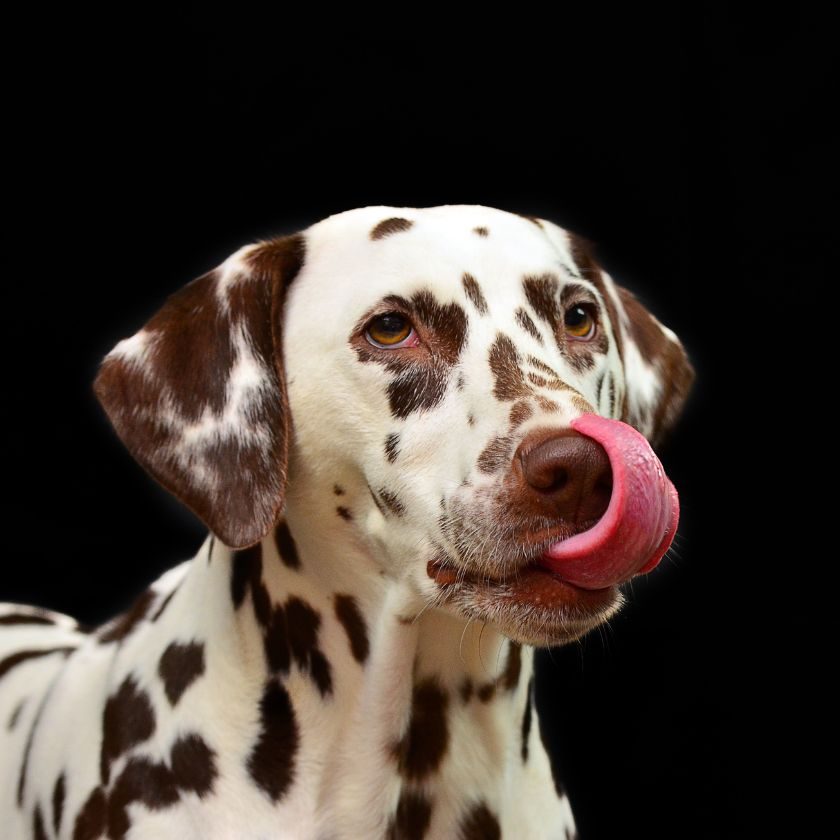
Some dogs have specific urinary risks. Dalmatians, for example, can be prone to urate stone formation because of the way they metabolise purines. Dogs with a history of cystine stones, calcium oxalate stones, recurrent urinary tract infections, or bladder surgery also need individualised support.
For these dogs, we place extra emphasis on hydration, diet consistency, suitable prey choices, body condition, and ongoing veterinary monitoring.
How raw feeding may help support urinary health
Our approach is to remove unnecessary dietary stressors, support hydration and gut health, and replace highly processed foods with carefully chosen, species-appropriate whole foods.
A well-planned raw diet may support urinary tract health by providing:
naturally high moisture
high-quality, species-appropriate protein
very low carbohydrate levels
no grains, starches, additives, or preservatives
minerals such as calcium, phosphorus and magnesium from whole food animal sources, provided in a more natural nutritional matrix
practical options for tailoring prey selection to the individual dog
Maintaining a lean body condition is also important, as excess body fat can contribute to inflammation and may affect overall urinary and metabolic health.
Bladder lining and gut health support
The bladder lining plays an important role in urinary tract comfort and resilience. For some dogs, nutritional support that focuses on hydration, inflammation control, gut health, and appropriate whole-food nutrients may be useful alongside veterinary care.
Bone broth may be helpful for some dogs as part of a broader plan, particularly where hydration and gut support are priorities. As always, suitability depends on the individual dog.
When raw feeding may not be suitable
Raw feeding is not suitable for every dog with urinary tract disease.
Dogs that are clinically unstable, obstructed, heavily immunosuppressed, very fragile, or undergoing treatment for complex urinary disease may need a different approach. Some dogs may be better suited to a carefully formulated cooked diet, particularly if their primary veterinarian has concerns about raw feeding or if their condition requires tighter dietary control.
Working with your veterinarian
Urinary tract disease requires veterinary diagnosis and monitoring. Diet can be very supportive, but it should not replace appropriate veterinary care.
Urine concentration, urine pH, crystals, infection status, stone type where known, and your dog’s overall health all help guide the most appropriate plan. Your vet’s interpretation of the full clinical picture is important.
Raw Essentials can provide nutritional guidance and practical support, and we are happy to work alongside your dog’s primary veterinarian where needed.
How Raw Essentials may help
For suitable dogs, raw feeding can be a practical and nourishing way to support hydration, body condition, gut health, and overall wellbeing. Raw Essentials can help tailor a feeding plan that focuses on:
moisture-rich feeding
appropriate prey selection
diet consistency
gut health support
maintaining lean body condition
suitable use of bone broth where appropriate
practical strategies for encouraging hydration and regular urination
monitoring response over time
Our approach is always individualised. The goal is to support your dog’s comfort, urinary tract health, and quality of life while working within the realities of their specific urinary condition.
When to seek veterinary advice
Please contact your veterinarian if your dog is straining, passing blood, urinating more frequently, having accidents, drinking more than usual, showing pain, vomiting, eating poorly, or seeming unwell.
If your dog has a history of bladder stones, crystals, recurrent urinary tract infections, or urinary obstruction, please keep your vet involved in any diet changes. Raw Essentials can support the nutritional side of care, but urinary tract disease should be monitored medically.
Written by Dr Rebecca Brown, BVSc
Veterinarian, Raw Essentials
Raw Essentials | Wildly Good Advice & Nutrition

New Zealand's raw pet food experts
Locally sourced frozen raw pet food
Natural treats and freeze dried pet food
17 pet friendly stores across New Zealand
Nationwide raw pet food delivery
[email protected]
Copyright Raw Essentials Limited. All rights reserved.
RAW ESSENTIALS | Wildly Good Advice & Nutrition
New Zealand's raw pet food experts
Frozen raw, treats and freeze dried pet food
17 pet friendly stores across New Zealand
[email protected]
Copyright Raw Essentials Limited. All rights reserved.