Itchy Paws
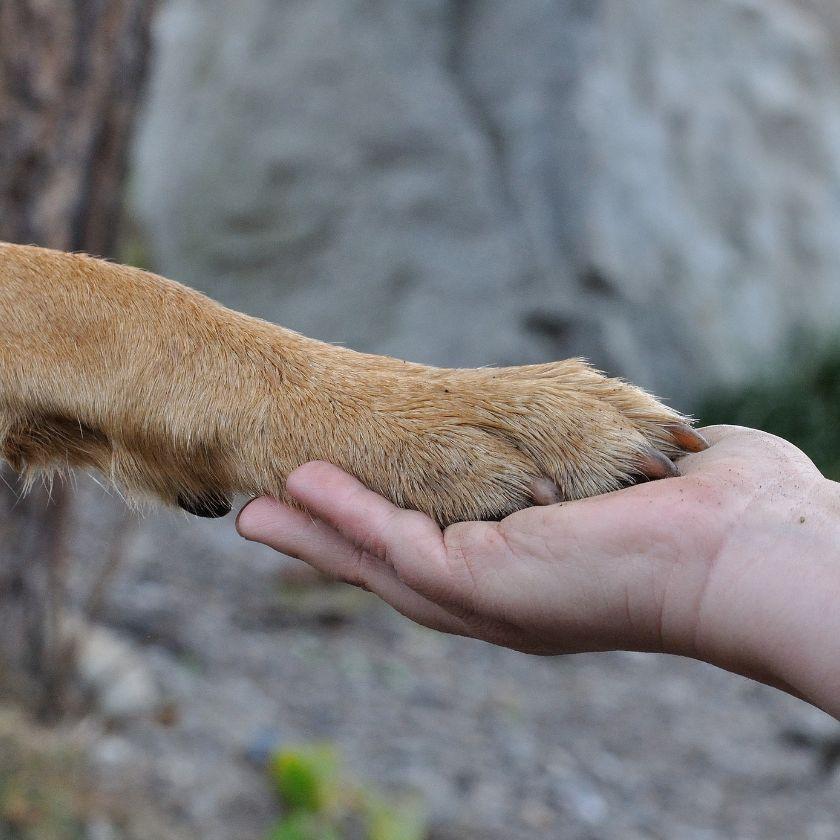
Itchy paws are common and can be very frustrating for both pets and their people. Paws are constantly exposed to grass, pollen, dust, moisture and other potential allergens or irritants. Once licking starts, the extra moisture and irritation can make the problem harder to settle.
Simple paw care can also make a difference. Rinsing or soaking the paws can help remove potential allergens and irritants, soothe the skin and keep the area clean. Some options may also help reduce surface bacteria and yeast.
Foot soaks are best suited to mildly irritated paws. Painful, swollen, broken, strong-smelling or discharging paws should be checked by a veterinarian.
Practical Paw Care
Rinse paws after walks or exposure to suspected triggers.
Dry thoroughly, especially between the toes.
Wash and dry bedding regularly.
Keep hair between the pads tidy if it traps moisture or debris.
A suitable paw balm or plain aloe-vera product may help soothe dry, intact skin.
Try to reduce persistent licking while working out what is driving it.
Look for patterns involving certain seasons, plants, walking areas or household changes.
Recurrent paw irritation may form part of a wider pattern involving environmental allergy, food sensitivity, ear disease or secondary infection.
Where to soak the paws
For small dogs, use a sink, shallow basin or cup for one paw at a time. Larger dogs may be easier to manage in a shower tray, bathtub, shallow paddling pool or bucket.
Choose a secure area and use a non-slip mat if needed.
What can I use?
Plain water
Cool or lukewarm water may be all that is needed to rinse pollen, grass residue, dust or other environmental material from the paws, particularly after walks.
Salt water
A salt-water soak may help cleanse and soothe irritated paws.
Mix:
1 level teaspoon of table salt with 1 cup (250 ml) of previously boiled warm water.
Allow it to cool to a comfortable temperature before use. Salt water may sting cracked, raw or ulcerated skin. Avoid seawater, as it may contain contaminants and irritate damaged skin.
For more persistent irritation or suspected bacterial or yeast overgrowth, an appropriate antiseptic or medicated product may be more useful than making the salt solution progressively stronger.
Cooled green or chamomile tea
Cooled green or chamomile tea may provide a gentle, traditional soothing rinse for mildly irritated paws.
Prepare normally, cool completely and use only on intact skin. Stop if irritation worsens.
Diluted vinegar
Diluted vinegar is traditionally used to help keep the skin surface clean and discourage yeast growth.
Mix:
1 part vinegar with 4 parts water.
Use only on mildly irritated, intact skin. Do not apply to cracked, raw, ulcerated or very inflamed paws, as it may sting. Stop if your pet appears uncomfortable.
Diluted iodine
Povidone-iodine, such as Betadine, may provide mild antiseptic support for small grazes and irritated paws.
Dilute with water until the solution is a pale iced-tea colour. Do not use on deep wounds, extensively broken skin or where there is a known iodine sensitivity.
Medicated antimicrobial washing
Where bacterial or yeast overgrowth is suspected, a veterinary medicated shampoo may be more appropriate than a traditional soak.
PAW MediDerm Gentle Medicated Shampoo is an antibacterial and antifungal shampoo for dogs. It may help reduce surface Staphylococcus bacteria and Malassezia yeast. Apply according to the label, allow approximately five minutes of contact time and rinse thoroughly.
Recurrent or significant bacterial or yeast infection still requires veterinary assessment and treatment.
How to soak the paws
Prepare the solution at a cool or comfortably lukewarm temperature.
Soak or gently rinse each affected paw for about 30 seconds.
Make sure the solution reaches between the toes and around the pads.
Pat thoroughly dry, especially between the toes.
Repeat after environmental exposure or as directed for the product.
Plain water, cooled tea and diluted iodine generally do not need rinsing off. Rinse away salt if residue remains. Medicated shampoos should be rinsed according to the label.
When to See Your Veterinarian
Arrange veterinary assessment if the paws are:
painful or causing lameness;
swollen, hot or very red;
cracked, ulcerated or bleeding;
producing discharge or a strong odour;
affected by lumps or deep lesions;
worsening despite gentle home care.
Repeated paw problems, ongoing chewing or recurring ear trouble may also warrant investigation for allergy, infection, parasites or another skin condition.
Look Beyond the Itch
At Raw Essentials, we look beyond the sore or itchy area. We start with what is going into the bowl, how well the gut is functioning and what may be keeping the immune system on high alert.
We aim for root-cause resolution wherever possible. That means identifying and addressing the factors driving the problem.
Food and gut health may influence inflammation, the strength of the skin barrier and how well a pet copes with environmental allergens. In some pets, specific dietary proteins may also contribute.
Keep it simple. Start with the foundations.
A clean, species-appropriate diet provides a strong foundation for healthy skin. We recommend removing all grains, starches, additives and preservatives and reviewing everything they eat, including meals, treats, chews, supplements, flavoured medications and any food they may get from other people.
Sometimes progress begins with what we take out, rather than what we add.
Some pets may also benefit from a carefully planned novel-protein feeding plan.
The environment matters too. Grasses, pollen, dust mites, mould, tradescantia and other plants, damp conditions, new carpets, bedding, floor cleaners and fragranced household products may all play a part. Triggers may be seasonal or present throughout the year. We cannot always avoid them completely, but noticing patterns can provide valuable clues.
Excellent nutrition helps build healthier, more resilient skin from within.
Written by Dr Rebecca Brown, BVSc
Veterinarian, Raw Essentials
Last updated: 4 September 2026
Raw Essentials | Wildly Good Advice & Nutrition

New Zealand's raw pet food experts
Locally sourced frozen raw pet food
Natural treats and freeze dried pet food
17 pet friendly stores across New Zealand
Nationwide raw pet food delivery
[email protected]
Copyright Raw Essentials Limited. All rights reserved.
RAW ESSENTIALS | Wildly Good Advice & Nutrition
New Zealand's raw pet food experts
Frozen raw, treats and freeze dried pet food
17 pet friendly stores across New Zealand
[email protected]
Copyright Raw Essentials Limited. All rights reserved.