Itchy Skin
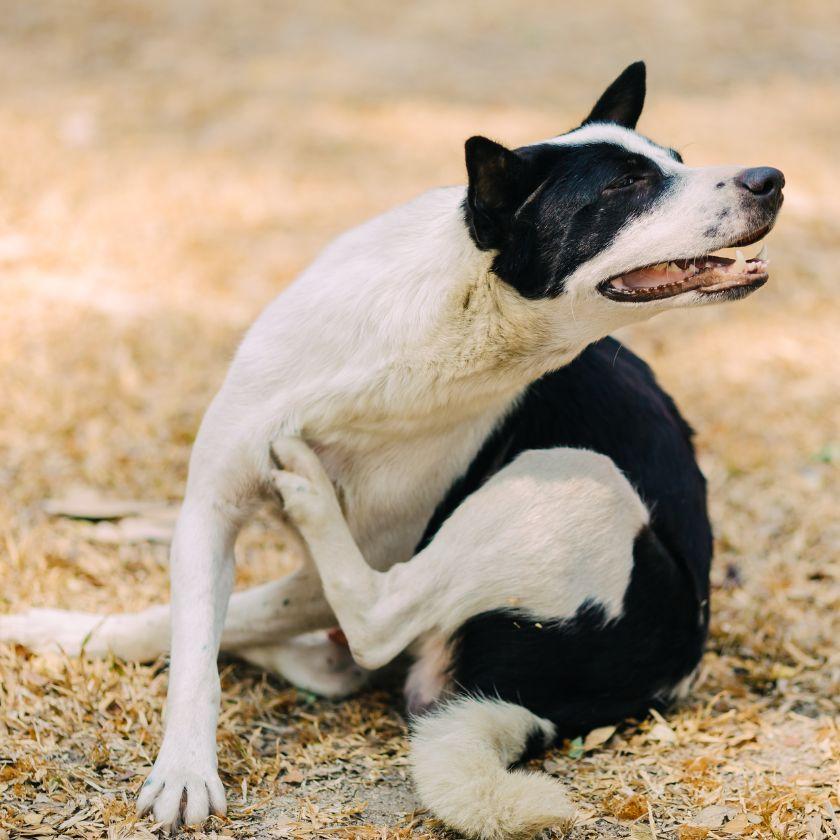
Itchy skin can be miserable for pets and frustrating for the people caring for them. The signs may be obvious scratching, but they can also include licking, chewing, rubbing, overgrooming, redness, scurf, scabs, hair loss, odour or recurring trouble with the paws and ears. Cats may groom away their hair without being seen scratching at all.
The itch is what we can see. Working out what is driving it is the important part.
Look for Patterns
Think back to when the itching first began. What else changed around that time? A change in food, treats or medication? A new home, carpet, bedding, walking area or season? Even small changes may provide valuable clues.
Where is the itch? Irritation around the tail base and lower back may suggest fleas or flea allergy, while recurring trouble with the paws, ears or face may form part of a wider allergic pattern.
Notice when the irritation becomes worse and whether it is seasonal or present throughout the year. Brief notes and photographs can make patterns easier to spot.
Many pets have several contributing factors, not one simple cause.
Look Beyond the Itch
At Raw Essentials, we look beyond the sore or itchy area. We start with what is going into the bowl, how well the gut is functioning and what may be keeping the immune system on high alert.
We aim for root-cause resolution wherever possible. That means identifying and addressing the factors driving the problem.
Food and gut health may influence inflammation, the strength of the skin barrier and how well a pet copes with environmental allergens. In some pets, specific dietary proteins may also contribute.
Keep it simple. Start with the foundations.
A clean, species-appropriate diet provides a strong foundation for healthy skin. We recommend removing all grains, starches, additives and preservatives and reviewing everything they eat, including meals, treats, chews, supplements, flavoured medications and any food they may get from other people.
Sometimes progress begins with what we take out, rather than what we add.
Some pets may also benefit from a carefully planned novel-protein feeding plan.
The environment matters too. Grasses, pollen, dust mites, mould, tradescantia and other plants, damp conditions, new carpets, bedding, floor cleaners and fragranced household products may all play a part. Triggers may be seasonal or present throughout the year. We cannot always avoid them completely, but noticing patterns can provide valuable clues.
Excellent nutrition helps build healthier, more resilient skin from within.
Support the Gut–Brain–Skin Connection
Everything is connected. The gut, brain, immune system and skin are constantly communicating.
Stress or anxiety may increase scratching, licking and overgrooming, while ongoing itch and discomfort can make pets more unsettled. Changes in routine, the household or environment may also provide useful clues.
Supporting gut health, reducing stress where possible and helping pets feel secure can all form part of the wider skin-health plan.
Read more about the gut–brain axis, including the relationship between gut health, stress and anxiety in dogs and cats.
Bathing and Soothing the Skin
Bathing is a tool, not a rule.
The right wash at the right time can help remove pollen, dust, grease, crusts and other material from the skin, while soothing irritation and inflammation.
More washing is not always better. Frequent washing with an unsuitable or harsh product may dry the skin and disturb its protective oils. On the other hand, a greasy, scaly or infected coat may benefit from more regular medicated washing for a time.
Every pet is different. A bathing routine that helps during a flare may be unnecessary once the skin has settled. Watch how the skin and coat respond, and adjust both the frequency and type of wash over time.
Use cool or comfortably lukewarm water, handle sore skin gently and rinse thoroughly. Pat dry rather than rubbing, and make sure thick coats, skin folds and areas between the toes do not remain damp.
Balms such as Belle Bird and Eezapet can be very soothing for small patches of dry or irritated skin.
Choose the Wash for the Job
Plain water may be enough when the aim is simply to rinse away pollen, grass residue, dust or other environmental material. It can be particularly useful after walks, swimming or contact with a suspected trigger.
A pet-safe neem soap may offer gentle cleansing and traditional soothing support for mildly irritated skin. Neem may also have a mild flea-repellent effect.
PAW MediDerm Gentle Medicated Shampoo is an antibacterial and antifungal shampoo for dogs. It may be useful when the skin is greasy or scaly, or bacterial or yeast overgrowth is suspected. Follow the label, allow the required five-minute contact time and rinse thoroughly. Recurrent or significant infection still requires veterinary assessment.
Diluted povidone-iodine may be useful for small, localised areas or minor grazes. Avoid deep wounds, extensively broken skin, and the eyes and ear canals.
Use only products suitable for the species. Take particular care with cats, as they are likely to groom products from their coat, and many are not at all keen on bathing!
Everyday Skin Support
Keep the coat and bedding clean and dry. Rinse exposed skin after contact with suspected triggers, dry damp areas thoroughly and reduce prolonged licking or chewing where possible.
Warmer months often bring greater exposure to grasses, pollen, fleas and irritating plants. Heat and humidity can also aggravate itchy skin and make damp, inflamed areas harder to settle.
Maintain effective flea control and look for patterns around flare-ups, such as particular seasons, walking areas, foods or changes within the home.
Avoid heavy creams and oils on hot, wet or weeping skin, as they may trap moisture and make the area harder to settle.
For more information and practical support, see Allergies, Environmental Factors, Itchy Paws, Itchy Ears, Hot Spots and Tradescantia Reactions.
When to See Your Veterinarian
Arrange veterinary assessment if the skin is painful, very red or swollen, wet or weeping, ulcerated, strongly smelling, producing discharge, spreading quickly or causing marked self-trauma. Recurring infections, hot spots, ear problems, widespread hair loss or itch that does not settle also warrant investigation.
Bathing can soothe and support the skin, but it cannot replace appropriate treatment for pain, significant inflammation or active infection.
Calm the skin. Look for what is driving the itch. Build healthier, more resilient skin from within.
Written by Dr Rebecca Brown, BVSc
Veterinarian, Raw Essentials
Last updated: 4 September 2026
Raw Essentials | Wildly Good Advice & Nutrition

New Zealand's raw pet food experts
Locally sourced frozen raw pet food
Natural treats and freeze dried pet food
17 pet friendly stores across New Zealand
Nationwide raw pet food delivery
[email protected]
Copyright Raw Essentials Limited. All rights reserved.
RAW ESSENTIALS | Wildly Good Advice & Nutrition
New Zealand's raw pet food experts
Frozen raw, treats and freeze dried pet food
17 pet friendly stores across New Zealand
[email protected]
Copyright Raw Essentials Limited. All rights reserved.